Introduction:
In the face of adversity and trauma, the human spirit has the remarkable capacity to not only survive but to thrive. Post-traumatic growth (PTG) is a phenomenon that highlights the positive psychological change that can occur as a result of struggling with challenging life circumstances. Rather than being defined by the wounds of the past, individuals can emerge from trauma with newfound strength, wisdom, and a deeper appreciation for life. In this blog article, we will explore the concept of post-traumatic growth, its key components, and how individuals can cultivate resilience in the face of adversity.
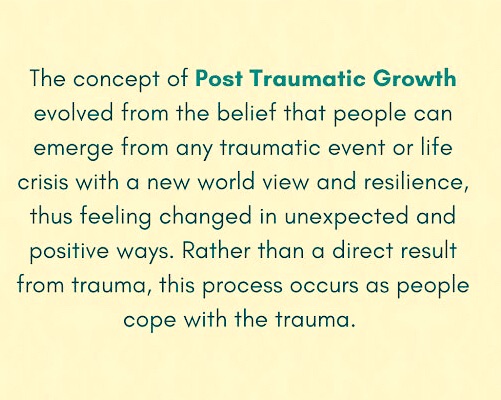
Understanding Post-Traumatic Growth:
Post-traumatic growth is a concept that challenges the traditional view of trauma as solely a negative experience. Instead of being debilitated by their suffering, individuals who undergo post-traumatic growth often experience personal transformation and positive change in several key areas of their lives. These areas include:
1. **Personal Strength**: Through the process of coping with trauma, individuals may discover inner reservoirs of strength and resilience that they were previously unaware of. This newfound sense of personal strength can empower individuals to face future challenges with courage and determination.
2. **Appreciation of Life**: Trauma can shatter our illusions of invulnerability and remind us of the fragility of life. As a result, many individuals who have experienced trauma report a greater appreciation for the simple joys and blessings of everyday life.
3. **Relationships**: Trauma has the potential to deepen our connections with others. As individuals navigate their way through suffering, they may develop a greater capacity for empathy, compassion, and understanding in their relationships with others.
4. **New Possibilities**: Post-traumatic growth can open up new pathways and opportunities that were previously unexplored. Individuals may reassess their priorities, set new goals, and pursue dreams that were once thought to be out of reach.
Cultivating Resilience:
While post-traumatic growth is a natural and spontaneous process for some individuals, there are ways to cultivate resilience and foster growth in the aftermath of trauma. Here are some strategies that can help individuals navigate the journey towards post-traumatic growth:
1. **Seek Support**: Building a strong support network of friends, family, or mental health professionals can provide a safe space for individuals to process their trauma and emotions.
2. **Practice Self-Compassion**: Treat yourself with kindness and understanding as you navigate the challenges of recovery. Self-compassion can help individuals cultivate a sense of acceptance and resilience in the face of adversity.
3. **Find Meaning**: Reflect on the meaning and purpose that can be derived from your experiences. Engaging in activities that align with your values and beliefs can help you find a sense of purpose and direction.
4. **Embrace Growth Mindset**: Adopting a growth mindset can help individuals view challenges as opportunities for learning and personal development. Embrace the belief that you have the capacity to grow and evolve through adversity.
Conclusion:
Post-traumatic growth is a testament to the resilience and strength of the human spirit. While trauma can be a painful and challenging experience, it also has the potential to catalyze personal growth, transformation, and newfound appreciation for life. By understanding the concept of post-traumatic growth and cultivating resilience through self-compassion, support, and a growth mindset, individuals can navigate the journey towards healing and emerge stronger on the other side.
With Love,
Jim

 Travelling Through Life Without A Road Map