Vicarious trauma, also referred to as secondary traumatic stress, is the emotional and psychological strain that results from hearing about the firsthand trauma experiences of others. It occurs when individuals are exposed to the traumatic experiences of others, either directly through their work or indirectly through media and storytelling. Over time, continuous exposure to the suffering of others can lead to the development of symptoms similar to those experienced by individuals who have directly experienced trauma.
In our society, we often focus on the direct victims of trauma, but it’s crucial to recognize that individuals who work closely with trauma survivors, such as first responders, healthcare professionals, social workers, and counselors, can also experience significant emotional and psychological distress. This phenomenon is known as vicarious trauma, and its impact on individuals can be profound. In this article, we will explore what vicarious trauma is, how it manifests, and what can be done to address and mitigate its effects.
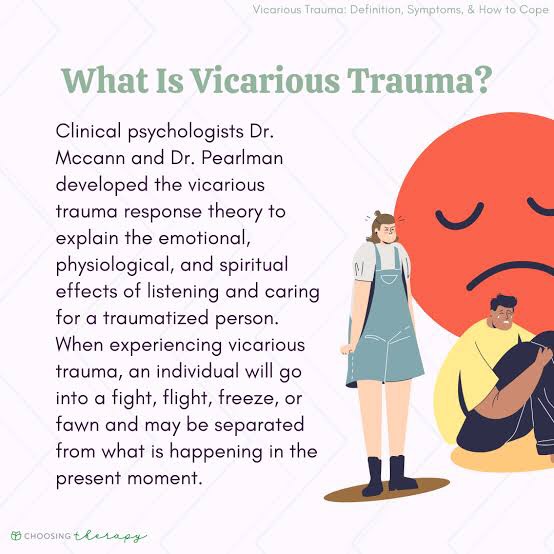
What is Vicarious Trauma?
How Does Vicarious Trauma Appear?
Vicarious trauma can manifest in a variety of ways, and its symptoms may overlap with those of post-traumatic stress disorder (PTSD) and burnout. Some common signs of vicarious trauma include:
- Emotional Exhaustion: Those experiencing vicarious trauma may feel emotionally drained and depleted, leading to a sense of detachment and apathy.
- Intrusive Thoughts: Individuals may experience intrusive thoughts related to the traumatic experiences of others, which can disrupt their daily functioning and well-being.
- Avoidance Behavior: Avoidance of situations, people, or conversations that remind individuals of the traumatic experiences they have been exposed to.
- Anxiety and Hyperarousal: Heightened anxiety, hypervigilance, and an increased startle response are common symptoms of vicarious trauma.
- Cognitive Distortions: Negative beliefs about oneself, others, and the world may develop, leading to a distorted perception of safety and trust.
Addressing Vicarious Trauma
Recognizing and addressing vicarious trauma is essential to ensure the well-being of individuals who are regularly exposed to traumatic material. Here are some strategies for managing and mitigating the impact of vicarious trauma:
- Self-Care: Engaging in regular self-care practices, such as exercise, mindfulness, and hobbies, can help individuals replenish their emotional reserves and manage stress.
- Professional Support: Seeking support from supervisors, colleagues, or mental health professionals can provide a valuable outlet for processing difficult emotions and experiences.
- Boundaries: Establishing healthy boundaries around exposure to traumatic material and setting limits on work-related responsibilities can help prevent emotional overload.
- Education and Training: Providing education and training on vicarious trauma and its effects can help individuals recognize the signs and develop coping strategies.
- Supportive Work Environment: Cultivating a work environment that promotes open dialogue, peer support, and a culture of compassion can foster resilience and reduce the impact of vicarious trauma.
In conclusion, vicarious trauma is a real and significant concern for individuals who work closely with trauma survivors. By understanding its nature and manifestations, and by implementing strategies to address and mitigate its impact, we can better support the well-being of those who dedicate themselves to helping others in their time of need. Recognizing the importance of self-care, seeking professional support, and fostering a supportive work environment are essential steps toward addressing vicarious trauma and promoting its recovery.
With love,
Jim Villamor

 Travelling Through Life Without A Road Map